Backflow Testing: What Isle of Palms and Sullivan’s Island Homeowners Need to Know
Living near the water is one of the best parts of owning a home on Isle of Palms or Sullivan’s Island. Between salt air, irrigation systems, outdoor showers, pools, landscaping, and vacation rental upkeep, coastal homes have plenty of plumbing features that need regular attention. One of the most important — and easiest to overlook — is your backflow prevention system. Charleston’s high water table and frequent coastal flooding increase the risk of backflow incidents during extreme weather.
Backflow testing is not just another box to check. It helps protect your home’s drinking water and the public water supply from contamination by ensuring that backflow devices are working properly to prevent contaminants such as bacteria, pesticides, and sewage from entering the water supply. If your property has an irrigation system, fire sprinkler line, pool fill connection, or another potential cross-connection, you may have a backflow prevention assembly that needs to be tested regularly.
For South Carolina homeowners, this matters because backflow prevention is tied to public health and local water compliance. The South Carolina Department of Environmental Services notes that public water systems must maintain cross-connection control programs, keep records for backflow assemblies, and ensure testing is completed by state-certified backflow prevention testers. Backflow testing is an annual requirement for many property owners to safeguard community health.
What Is Backflow?
Backflow refers to the reversal of flow in plumbing systems. Instead of clean water moving from the public supply into your home, water from your property can be pulled or pushed backward into the clean water supply.
That may sound unlikely, but it can happen when there is a sudden change in water pressure. For example, a water main break, heavy water demand, firefighting activity, or pressure change in your plumbing system can create conditions where contaminated water is drawn backward.
Backflow occurs when changes in water pressure create a suction effect, pulling water backward from private sources into municipal lines.
This is a concern because private plumbing systems often connect to things you do not want mixing with drinking water, including:
- Lawn irrigation systems
- Fertilizer or pesticide-treated soil
- Pools and spas
- Outdoor hose bibbs
- Fire sprinkler systems
- Boiler systems
- Decorative fountains
- Commercial-grade equipment in larger residential properties
A properly working backflow preventer is designed to prevent this reversal of flow and protect the water supply.
Why Backflow Testing Matters for Coastal Homes
Homes on Isle of Palms and Sullivan’s Island often have features that make backflow prevention especially important. Irrigation systems are common because landscaping takes a beating from sun, salt, sand, and wind. Outdoor showers and hose connections are common after a day at the beach. Pools and rental-property plumbing systems may also create additional cross-connection risks.
The issue is not that these features are bad. The issue is making sure your water quality is maintained through regular backflow testing and that they need the right protection.
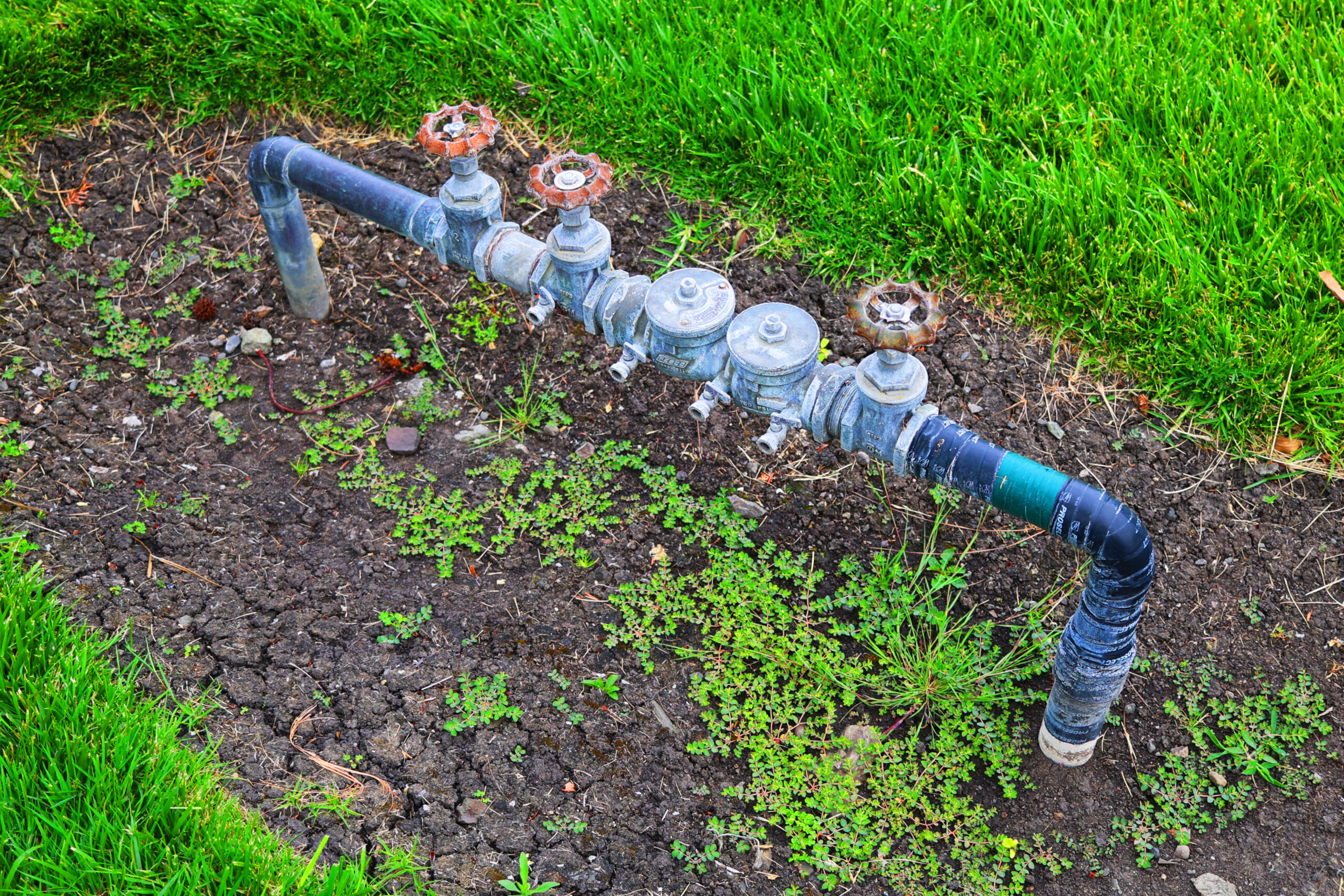
Backflow testing confirms that the internal parts of the backflow assembly are doing their job. These assemblies have check valves, springs, seals, test ports, and shutoff valves that can wear out over time. Salt air, heat, sand, age, and normal use can all affect performance.
A device may look fine from the outside and still fail a test. That is why annual testing is so important. In South Carolina’s humid, mineral-laden environment, regular checks for corrosion and scale buildup in backflow preventers are necessary.
How Often Should Backflow Testing Be Done?
In South Carolina (SC), annual backflow testing is mandated by the SC Department of Environmental Services. Most municipalities require annual backflow testing for certain properties, especially commercial buildings and multi-family homes, to ensure compliance with local plumbing codes and regulations and to maintain uninterrupted water service. The water company may send notices by mail to remind property owners of scheduled backflow testing and enforce testing deadlines. Failure to comply with these requirements may result in fines, penalties, costly plumbing repairs, or water service interruptions from the utility provider. Only technicians certified by the South Carolina Department of Environmental Services and appearing on the CWS Approved Tester List are authorized to perform backflow tests.
Mount Pleasant Waterworks, for example, states that backflow prevention devices in South Carolina must be tested at least once per year, and that residential customers with in-ground irrigation connected to the public water supply are required to have an approved backflow prevention assembly.
Charleston Water System also states that residential backflow assemblies must be tested annually by a third-party tester from its approved tester list, and that homeowners are responsible for having their backflow preventer tested.
For Sullivan’s Island, the town’s Water & Sewer Department provides backflow testing forms, a cross-connection policy, and a list of certified testers. Its cross-connection policy states that existing backflow preventers should be tested using a tester from Sullivan’s Island’s certified list and that test results must be sent to the town.
For Isle of Palms, the Isle of Palms Water and Sewer Commission provides a backflow test report form among its customer forms and reports.
What Happens During a Backflow Test?
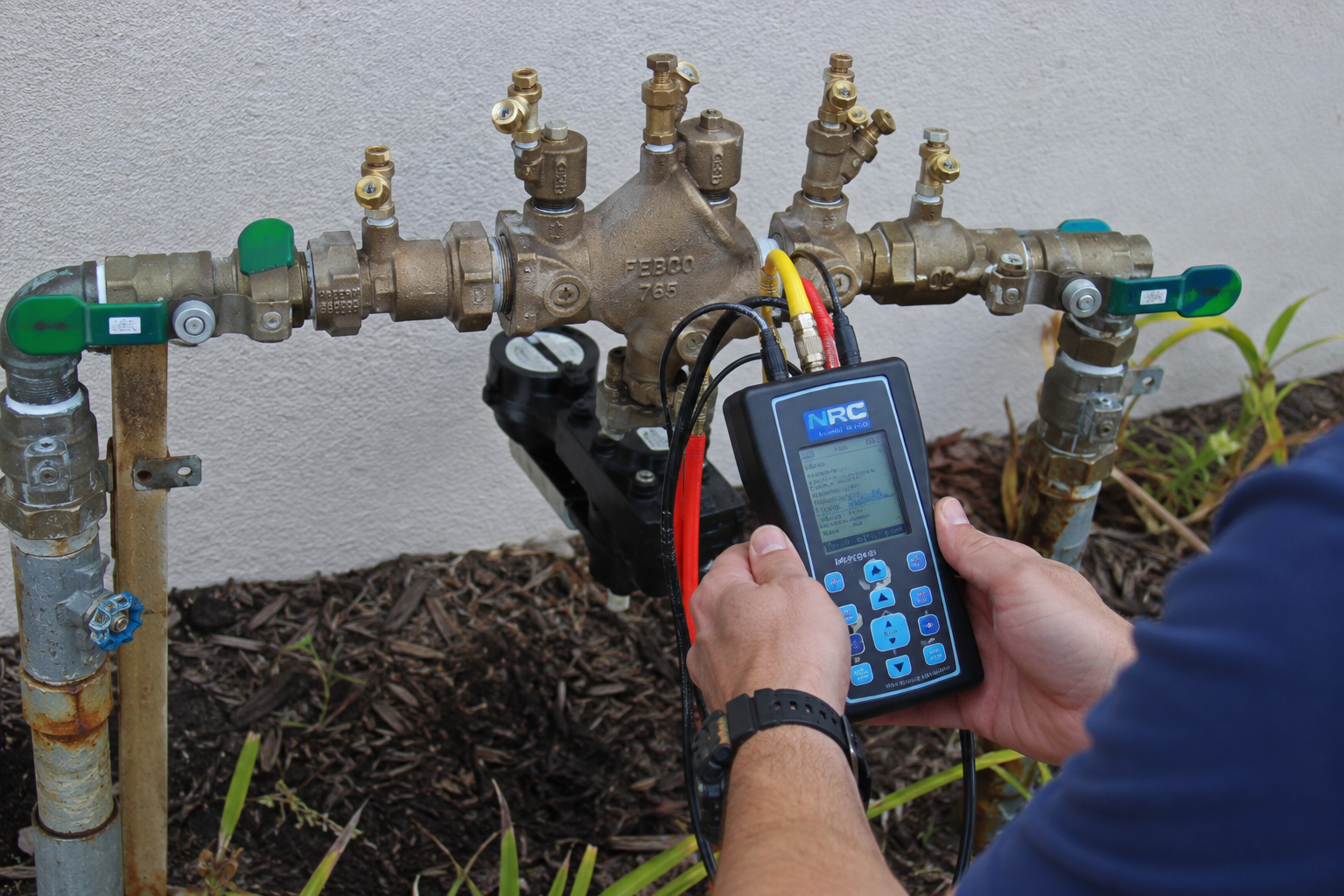
A backflow test is usually straightforward for the homeowner. A certified tester connects specialized testing equipment to the test ports on your backflow device. The tester visually inspects the backflow device for any visible damage and measures pressure differentials to ensure the internal valves are sealing correctly. Testing involves a certified professional using specialized gauges to check that the backflow prevention device is closing tightly and operating correctly under varying pressure conditions.
A typical test may include:
- Locating the backflow prevention assembly
- Visually inspecting the backflow device for visible damage or leaks and measuring pressure differentials
- Connecting a calibrated test gauge
- Testing check valves and relief valves
- Confirming whether the assembly passes or fails
- Completing the required test report
- Submitting the results to the correct water provider or municipality
The entire backflow testing procedure usually takes 15 to 60 minutes per device and may temporarily interrupt water service. Immediate testing is required after a new installation and within 72 hours of any repair, cleaning, or service.
If the assembly passes, the result is submitted and your system stays in compliance for the required testing period. If it fails, the result may require repairs or replacement before it can pass.
Who Can Perform Backflow Testing?
Backflow testing should not be handled like a basic DIY plumbing check. In South Carolina, testing must be done by a state-certified backflow prevention tester. The South Carolina Department of Environmental Services specifically states that all testing must be done by a state-certified backflow prevention tester.
That matters because the tester is not just looking for a leak. They are verifying whether a safety device is protecting the drinking water system. They also need to use the right forms and submit results properly.
If you live on Sullivan’s Island, you should confirm whether your tester is accepted by the town and whether the report will be submitted according to Sullivan’s Island requirements. For Isle of Palms, homeowners should follow the process required by the Isle of Palms Water and Sewer Commission.
Signs Your Backflow Preventer May Need Attention
Many backflow preventers fail quietly, which is why testing is required even when nothing looks wrong. However, there are some warning signs that your device may need service:
- Water leaking from the assembly
- Visible rust or corrosion
- Damaged insulation or enclosure
- Reduced water pressure in irrigation zones
- Water spraying from test cocks or valves
- A failed annual test
- A notice from your water provider
- An older assembly with no recent test record
If your backflow preventer is near landscaping, sand, mulch, or salt-heavy air exposure, it is worth keeping an eye on the condition of the device between annual tests.
Backflow Testing and Irrigation Systems
For many homeowners on Isle of Palms and Sullivan’s Island, the irrigation system is the reason a backflow preventer is installed in the first place. Irrigation systems can create cross-connections because sprinkler heads sit close to soil, fertilizer, lawn chemicals, and standing water.
If pressure drops, contaminated water from the irrigation system could potentially be pulled backward. A backflow preventer helps stop that from happening.
If you are installing a new irrigation system, replacing an old one, or buying a home with an existing irrigation system, ask about the backflow assembly. You should know where it is, when it was last tested, and whether it is the correct type for the property.
What If Your Backflow Test Fails?
A failed test does not always mean you need a full replacement. Sometimes the assembly needs cleaning, new seals, new springs, a check valve repair, or replacement parts. Other times, especially with older or badly corroded devices, replacement may be the smarter option.
Sullivan’s Island’s policy notes that necessary repairs or corrections must be made to meet town requirements after a backflow issue is identified. Mount Pleasant Waterworks similarly states that a failed device must be repaired or replaced by a qualified plumber and retested to confirm compliance.
The key is to act quickly. A failed test usually means the device is not providing the protection it is supposed to provide.
Schedule Backflow Testing Before It Becomes a Problem
Backflow testing is one of those maintenance items that is easy to forget until a notice arrives or a deadline is missed. Both homeowners and businesses rely on safe, clean water and compliance with regulations, so it is better to stay ahead of it.
Annual testing helps protect your drinking water, keeps your irrigation or plumbing system compliant, and gives you peace of mind that your backflow preventer is working properly.
If you have an irrigation system, pool fill connection, fire line, or existing backflow assembly, contact a certified backflow tester to schedule your test and keep a copy of your report for your records. Learn more about the benefits of backflow testing to ensure your water supply remains safe and reliable.
The State Safe Drinking Water Act requires water purveyors to protect and maintain the potable water supply to ensure safe water free from potential hazards.
FAQs About Backflow Testing
Is backflow testing required for homeowners?
It may be required if your property has a backflow prevention assembly, especially for irrigation systems, fire lines, or other cross-connections. Requirements can vary by water provider, so homeowners should follow their local water authority’s instructions.
How often should a backflow preventer be tested?
Most backflow prevention assemblies should be tested annually. South Carolina water providers commonly require annual testing to remain compliant.
Can I test my own backflow preventer?
No. Backflow testing should be completed by a certified backflow prevention tester with the proper equipment and credentials.
What happens if my backflow preventer fails?
The device will need to be repaired or replaced, then retested to confirm that it passes.
Who receives the backflow test report?
The report is typically submitted to the local water provider or municipality. Homeowners should also keep a copy for their records.