
Backflow Repair: What Isle of Palms and Sullivan’s Island Homeowners Should Know
A backflow preventer is one of the most important plumbing safety devices on your property, but most homeowners do not think about it until something goes wrong. Maybe your annual test failed. Maybe the device is leaking. Maybe your irrigation system lost pressure. Or maybe you received a notice saying your backflow assembly needs attention.
For homeowners on Isle of Palms and Sullivan’s Island, backflow repair is especially important because many coastal homes rely on irrigation systems, outdoor plumbing, pools, rental-property water features, and other systems that can create cross-connections. When a backflow preventer fails, it can affect your property’s compliance and, more importantly, the protection of the drinking water supply.
South Carolina’s backflow prevention rules focus on protecting public water systems from unprotected cross-connections. The South Carolina Department of Environmental Services states that public water systems must maintain cross-connection control programs, keep annual testing records, and ensure backflow testing is completed by state-certified testers.
What Does a Backflow Preventer Do?
A backflow preventer keeps water moving in the right direction. Under normal conditions, clean water flows from the public water supply into your home. But if pressure changes suddenly, water can reverse direction.
That reversal can pull water from irrigation lines, hoses, pools, or other connected systems back toward the clean water supply. A backflow preventer stops that from happening.
Most backflow assemblies use internal check valves, springs, seals, and relief valves to block reverse flow. When those parts wear out or become damaged, the device may fail a test or start leaking.
Why Backflow Preventers Fail
Backflow preventers are mechanical devices, which means they do not last forever. Even a well-installed device can fail over time.
Common causes of backflow preventer failure include:
- Worn rubber seals
- Broken springs
- Debris inside the valve body
- Corrosion from age or coastal exposure
- Freeze damage
- Improper installation
- Excessive pressure changes
- Damage from landscaping equipment
- Lack of annual testing or maintenance
- Sand, dirt, or mineral buildup
On Isle of Palms and Sullivan’s Island, coastal conditions can make wear and tear more noticeable. Salt air can speed up corrosion. Outdoor devices may be exposed to storms, flooding, wind-driven sand, heat, and landscaping damage. If the device sits in a box or enclosure that fills with dirt or water, problems can develop faster.
How Do You Know You Need Backflow Repair?
Sometimes the first sign is a failed annual test. A certified tester checks whether the assembly holds pressure properly. If it does not, the device fails and needs to be repaired or replaced before it can pass.
Other times, you may notice visible signs of trouble, such as:
- Water leaking from the backflow preventer
- Constant dripping from a relief valve
- Spraying around test ports
- Corroded or broken shutoff valves
- Reduced irrigation pressure
- Unusual water pressure changes
- A damaged enclosure or missing insulation
- A notice from your water provider
- A test report marked “failed”
If your backflow preventer fails, you should not ignore it. A failed device means it is not performing the way it is designed to perform.
What Happens After a Failed Backflow Test?
If your backflow preventer fails, the next step is repair or replacement. After that, the device must be retested to confirm that it passes.
Sullivan’s Island’s cross-connection policy says existing backflow preventers should be tested by a certified tester and that necessary repairs or corrections must be made to meet Sullivan’s Island requirements. Mount Pleasant Waterworks also states that a failed backflow device must be repaired or replaced by a qualified plumber, then retested to confirm compliance before results are submitted.
The process generally looks like this:
- The backflow preventer is tested.
- The device fails the test.
- The homeowner schedules backflow repair.
- The plumber diagnoses the failed part or assembly.
- The device is repaired or replaced.
- A certified tester retests the device.
- Passing results are submitted to the proper water provider.
This final retest is important. Repair alone does not prove compliance. The assembly needs to pass testing after the work is complete.
Common Backflow Repair Kits and Repairs
Not every failed backflow test requires a full replacement. Depending on the condition of the device, repair may be possible.
Common repairs include:
- Replacing check valve seals
- Replacing springs
- Cleaning debris from the assembly
- Rebuilding internal components
- Replacing damaged test cocks
- Replacing shutoff valves
- Repairing leaking relief valves
- Replacing gaskets or O-rings
- Correcting installation issues
- Replacing damaged insulation or protective covers
Backflow repair should be handled by a qualified plumbing professional familiar with the type of assembly installed on your property. These devices have to be repaired correctly because they are part of a public water protection system.
Working Pressure Magazine’s backflow section includes repair-focused technical discussions about specific assemblies and servicing considerations, which is a good reminder that different devices and models can have different repair requirements.
Repair vs. Replacement: Which Is Better?
The answer depends on the age, condition, and type of device.
Repair may make sense if:
- The assembly is relatively new
- The body is in good condition
- Parts are available
- The issue is limited to seals, springs, or debris
- The repair cost is reasonable
Replacement may be better if:
- The device is badly corroded
- It has failed multiple times
- Replacement parts are hard to find
- Shutoff valves are damaged
- The assembly is outdated
- The device was installed incorrectly
- Repair costs are close to replacement costs
For coastal properties, replacement is sometimes the smarter long-term choice if corrosion is advanced. A cheap repair on a badly deteriorated assembly may only buy a little time before the next failure.
Backflow Repair for Irrigation Systems
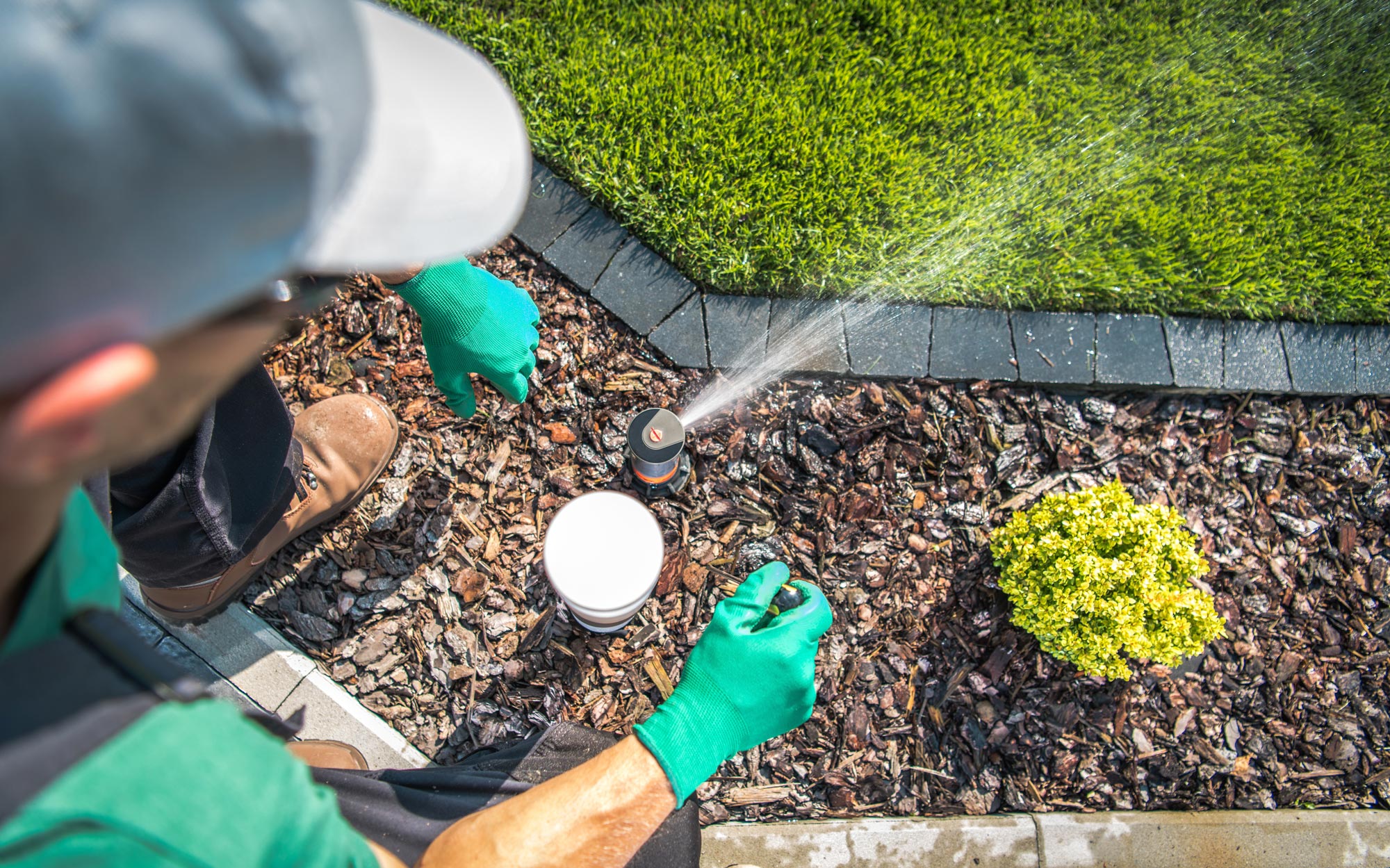
Irrigation systems are one of the most common reasons homeowners need backflow repair. Sprinkler systems connect to lines that sit close to soil, fertilizer, pesticides, and standing water. That is exactly why backflow protection matters.
If your irrigation system is losing pressure or certain zones are not working correctly, the backflow preventer may not be the only possible cause, but it should be checked. A leaking or failing backflow assembly can affect irrigation performance and compliance.
If you recently bought a home on Isle of Palms or Sullivan’s Island, ask for the latest backflow test report. If there is no record, schedule a test. It is better to find out now than after receiving a compliance notice or discovering a failed device during peak irrigation season.
Can a Homeowner Repair a Backflow Preventer?
Backflow repair is not a good DIY project. Even if you are handy, these assemblies are regulated safety devices tied to drinking water protection. Repairs should be completed by a qualified plumber or backflow professional, and the device should be retested by a certified tester.
South Carolina requires backflow testing to be performed by state-certified testers. Sullivan’s Island also requires test results to be submitted according to its local process, including use of certified testers and timely report submission.
The safest route is simple: have the device repaired professionally, then retested and documented properly.
How to Prevent Future Backflow Problems
You cannot prevent every backflow issue, but you can reduce the odds of surprise failures.
Here are a few smart maintenance tips:
- Schedule annual backflow testing before the deadline.
- Keep the device accessible and clear of mulch, plants, and debris.
- Protect above-ground assemblies from damage.
- Check for leaks after storms or freezing weather.
- Do not ignore dripping, spraying, or corrosion.
- Keep copies of past test reports.
- Ask your plumber whether repair or replacement is the better long-term option.
- Make sure the tester submits the correct paperwork.
For rental properties, it is a good idea to add backflow testing to your annual maintenance calendar. It is much easier to handle during planned maintenance than during a guest turnover or peak season.
Backflow Repair Keeps Your Home Safe and Compliant
Backflow repair may not be the most exciting home maintenance task, but it is an important one. A working backflow preventer helps protect your drinking water, your neighbors, and the public water supply.
For homeowners on Isle of Palms and Sullivan’s Island, backflow repair is especially important because irrigation systems, pools, outdoor fixtures, and coastal conditions can all put extra demand on plumbing systems.
If your backflow preventer failed its test, is leaking, or has not been checked in years, schedule service with a qualified professional. After the repair, make sure the device is retested and the proper report is submitted.
FAQs About Backflow Repair
What causes a backflow preventer to fail?
Common causes include worn seals, broken springs, debris, corrosion, pressure changes, freeze damage, or age.
Can a failed backflow preventer be repaired?
Yes, many failed devices can be repaired. However, older or badly corroded devices may need to be replaced.
Does a repaired backflow preventer need to be retested?
Yes. After repair or replacement, the device should be retested to confirm that it passes and is compliant.
Is backflow repair required after a failed test?
Yes. If the device fails, it needs repair or replacement before it can properly protect the water supply.
Should I repair or replace my backflow preventer?
Repair may be fine for minor issues. Replacement may be better if the device is old, corroded, leaking badly, or failing repeatedly.